 By Onyx Watson
Securing a mortgage as a self employed borrower can feel more complex than it is for salaried applicants. Lenders often evaluate business stability, income consistency, and financial discipline more closely before offering approval. However, with the right preparation and documentation strategy, self employed professionals can qualify for highly competitive mortgage terms.
This guide explains how lenders assess applications from self employed borrowers and outlines practical steps to improve approval chances and interest rate outcomes.
Why Mortgage Approval Is Different for Self Employed Borrowers
Unlike salaried applicants who present fixed monthly income statements, self employed individuals often have variable earnings. Because of this variability, lenders focus more on long term income reliability rather than short term earnings spikes.
Common concerns lenders evaluate include:
- Stability of business operations
- Consistency of annual income
- Sustainability of future earnings
- Debt obligations linked to the business
A strong financial profile helps overcome these concerns.
Documents Lenders Typically Require from Self Employed Applicants
Proper documentation is the foundation of a successful mortgage application. Organized records increase lender confidence and speed up approval timelines.
Most lenders request:
- Income tax returns for the last two to three years
- Profit and loss statements
- Bank account statements
- Business registration proof
- Balance sheets where applicable
- Proof of ongoing contracts or clients
Providing complete records early helps avoid delays during underwriting.
How Lenders Calculate Income for Self Employed Borrowers
Mortgage lenders usually calculate income differently for business owners and freelancers. Instead of relying on a single monthly figure, they review trends over multiple years.
Income evaluation methods often include:
Average Income Assessment
Lenders may average income from the last two or three financial years to determine eligibility.
This helps reduce the impact of seasonal fluctuations.
Net Profit Review
Instead of total revenue, lenders focus on net income after business expenses.
Stable net profits strengthen loan eligibility.
Add Back Adjustments
Certain allowable deductions such as depreciation may be added back to improve qualifying income in some cases.
Professional documentation helps support these adjustments.
Steps to Strengthen Mortgage Eligibility as a Self Employed Borrower
Improving your financial presentation before applying can significantly increase approval chances and secure better loan terms.
Key strategies include:
Maintain Consistent Income Records
Stable earnings over time reassure lenders about repayment capacity.
Avoid large unexplained income variations whenever possible.
Separate Business and Personal Finances
Maintaining separate accounts improves transparency and simplifies lender evaluation.
It also strengthens your credibility as a borrower.
Reduce Existing Debt Obligations
Lower liabilities increase affordability calculations and improve approval prospects.
Focus on reducing:
- Credit card balances
- Business loans
- Personal loans
File Taxes Accurately and On Time
Accurate tax filings demonstrate income authenticity and financial discipline.
Late filings may delay mortgage processing.
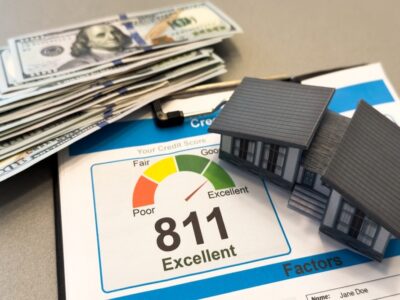
Build a Strong Credit Profile
A strong credit history improves both approval chances and interest rate offers.
Maintain:
- Timely repayments
- Low credit utilization
- Stable borrowing behavior
How Business Stability Influences Mortgage Terms
Lenders evaluate the longevity and sustainability of your business before approving mortgages.
Key indicators include:
- Years in operation
- Industry reliability
- Client diversification
- Revenue consistency
Applicants with at least two years of business continuity typically receive stronger consideration.
How to Secure Better Mortgage Interest Rates as a Self Employed Applicant
Interest rates offered to self employed borrowers depend largely on perceived financial stability and repayment reliability.
You can improve your rate eligibility by:
- Increasing your down payment contribution
- Maintaining strong credit history
- Demonstrating consistent tax declared income
- Reducing debt to income ratio
- Showing long term business continuity
Small improvements in these areas can lead to meaningful interest savings over the loan tenure.
Importance of Down Payment Planning for Self Employed Borrowers
Higher down payments reduce lender risk and often result in better loan conditions.
Benefits of larger upfront contributions include:
- Improved approval probability
- Lower monthly repayment burden
- Reduced interest rate exposure
- Greater negotiating flexibility with lenders
Planning savings early improves overall loan affordability.
Choosing the Right Mortgage Type for Self Employed Professionals
Not all mortgage products suit self employed borrowers equally. Selecting the right option improves approval chances and financial comfort.
Common suitable options include:
- Loans based on declared income
- Loans supported by strong bank statement history
- Mortgages structured for professionals and consultants
- Flexible repayment structure loans
Consulting lenders that specialize in non salaried applicants can improve outcomes.
Common Mistakes Self Employed Borrowers Should Avoid
Avoiding common errors can make a significant difference during mortgage evaluation.
Important mistakes to avoid include:
- Underreporting income in tax filings
- Mixing business and personal transactions
- Applying with unstable financial records
- Taking new loans shortly before applying
- Submitting incomplete documentation
Preparation and transparency help streamline approvals.
How Early Financial Preparation Improves Mortgage Approval Success
Self employed applicants benefit significantly from early planning before submitting mortgage applications.
Preparation ideally begins six to twelve months before applying.
This allows time to:
- Improve credit profile
- stabilize income reporting
- reduce liabilities
- organize documentation
- strengthen savings reserves
Early preparation often results in better approval terms and lower interest costs.
Frequently Asked Questions
How many years of self employment history are usually required for mortgage approval
Most lenders prefer at least two years of stable self employment history to assess income reliability effectively.
Can freelancers qualify for mortgage loans without business registration
Yes. Freelancers can qualify if they provide consistent income records, tax filings, and bank statements demonstrating stable earnings.
Do lenders consider seasonal income fluctuations negatively
Not necessarily. Lenders typically average income across multiple years to account for seasonal variations.
Can business expenses reduce mortgage eligibility
Yes. Since lenders evaluate net income rather than gross revenue, higher expenses may reduce qualifying income levels.
Is it possible to qualify using bank statement based mortgage evaluation
Some lenders offer bank statement based assessments where eligibility is determined using account inflows instead of traditional income proofs.
Does working with a chartered accountant improve mortgage approval chances
Professionally prepared financial statements improve documentation accuracy and lender confidence during evaluation.
Can newly self employed professionals apply for mortgages
Yes. However, applicants with shorter business history may need stronger savings reserves, higher down payments, or a co applicant to improve approval chances.