 By Onyx Watson
Ecommerce has transformed the way people buy and sell products. From small home-based businesses to global retail brands, online commerce enables organizations to reach customers beyond geographical boundaries. As internet access continues to expand, ecommerce is becoming one of the most influential pillars of the digital economy.
This article explains how ecommerce works, its major types, benefits, challenges, technologies, and strategies for success.
What is Ecommerce
Ecommerce refers to buying and selling goods or services over the internet. It includes digital transactions conducted through websites, mobile applications, and online marketplaces.
Unlike traditional retail, ecommerce allows customers to browse products, compare prices, make payments, and receive deliveries without visiting physical stores.
Common examples include
- Online retail stores
- Subscription services
- Digital product platforms
- Marketplace platforms
- Online service bookings
Types of Ecommerce Business Models
Different ecommerce models serve different types of customers and industries. Understanding them helps businesses select the right strategy.
Business to Consumer B2C
This is the most common ecommerce model where businesses sell directly to customers.
Examples include
- Clothing websites
- Electronics stores
- Grocery delivery platforms
Business to Business B2B
In this model, businesses sell products or services to other businesses instead of individual consumers.
Examples include
- Wholesale suppliers
- Manufacturing platforms
- Corporate software vendors
Consumer to Consumer C2C
Customers sell directly to other customers using online marketplaces.
Examples include
- Used goods platforms
- Handmade product marketplaces
Consumer to Business C2B
Individuals provide services or products to companies.
Examples include
- Freelancing platforms
- Influencer marketing collaborations
Key Components of Ecommerce
Successful ecommerce businesses rely on several interconnected elements.
Online Storefront
A website or mobile app acts as the digital storefront where customers browse products and make purchases.
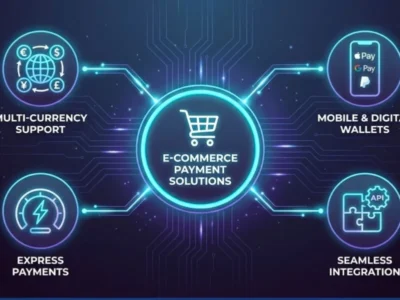
Payment Gateway
Payment systems enable secure transactions through
- Credit cards
- Debit cards
- Digital wallets
- Net banking
Inventory Management
Tracking stock levels ensures products remain available and prevents overselling.
Logistics and Delivery
Efficient shipping ensures timely order fulfillment and improves customer satisfaction.
Customer Support
Responsive support builds trust and increases repeat purchases.
Benefits of Ecommerce
Ecommerce provides advantages for both businesses and customers.
Wider Market Reach
Businesses can sell products globally without opening physical branches.
Lower Operational Costs
Online stores reduce expenses such as rent, utilities, and staffing requirements.
Convenience for Customers
Customers can shop anytime from anywhere using smartphones or computers.
Personalized Shopping Experience
Ecommerce platforms use customer data to recommend products based on preferences.
Faster Buying Process
Digital checkout systems simplify purchasing and reduce waiting time.
Challenges in Ecommerce
Despite its benefits, ecommerce businesses face several challenges.
Intense Competition
Thousands of online stores compete for customer attention.
Logistics Complexity
Shipping delays and inventory issues affect customer satisfaction.
Data Security Concerns
Businesses must protect customer information from cyber threats.
Return Management
Handling product returns increases operational costs.
Technology Dependence
Website downtime can impact sales and brand reputation.
Essential Technologies Used in Ecommerce
Modern ecommerce relies on advanced technologies to improve performance and customer experience.
Artificial Intelligence
AI enables
- Smart product recommendations
- Chatbot assistance
- Fraud detection systems
Cloud Computing
Cloud platforms support scalable storage and faster website performance.
Mobile Commerce
Mobile optimized websites and apps increase accessibility and user engagement.
Data Analytics
Analytics tools help businesses understand customer behavior and optimize marketing strategies.
Strategies for Ecommerce Success
Building a successful ecommerce business requires careful planning and execution.
Create a User Friendly Website
Ensure simple navigation, fast loading speed, and mobile compatibility.
Focus on Product Presentation
Use high quality product descriptions and images to attract customers.
Offer Multiple Payment Options
Providing flexible payment methods improves conversion rates.
Invest in Digital Marketing
Effective marketing channels include
- Search engine optimization
- Social media promotion
- Email campaigns
- Influencer collaborations
Ensure Fast Delivery
Reliable shipping improves customer satisfaction and encourages repeat purchases.
Build Customer Trust
Trust can be strengthened through
- Secure payment systems
- Transparent policies
- Customer reviews
- Easy return procedures
Future Trends in Ecommerce
Ecommerce continues evolving with emerging technologies and changing consumer expectations.
Important trends include
- Voice based shopping
- Augmented reality product previews
- Same day delivery services
- Social commerce integration
- Subscription based business models
Businesses that adapt quickly to these trends gain a competitive advantage.
Conclusion
Ecommerce has become an essential part of modern business strategy. It enables companies to expand market reach, reduce operational costs, and deliver convenient shopping experiences to customers worldwide. By adopting the right technologies and customer focused strategies, businesses can achieve long term growth in the digital marketplace.
FAQ Section
What is the difference between ecommerce and traditional commerce
Traditional commerce involves physical stores and face to face transactions, while ecommerce operates through digital platforms where buying and selling occur online.
Is ecommerce suitable for small businesses
Yes. Ecommerce allows small businesses to reach wider audiences without large investments in physical infrastructure.
How important is mobile optimization in ecommerce
Mobile optimization is critical because a large percentage of online purchases are made through smartphones.
What payment methods should an ecommerce website offer
Websites should support cards, digital wallets, net banking, and local payment options to serve diverse customers.
How can ecommerce businesses reduce cart abandonment
Improving checkout speed, offering multiple payment methods, and displaying transparent shipping costs can reduce abandonment rates.
What role does customer feedback play in ecommerce success
Customer feedback helps improve products, strengthen trust, and guide business decisions.
Can ecommerce businesses operate without inventory
Yes. Models such as dropshipping allow businesses to sell products without storing inventory.